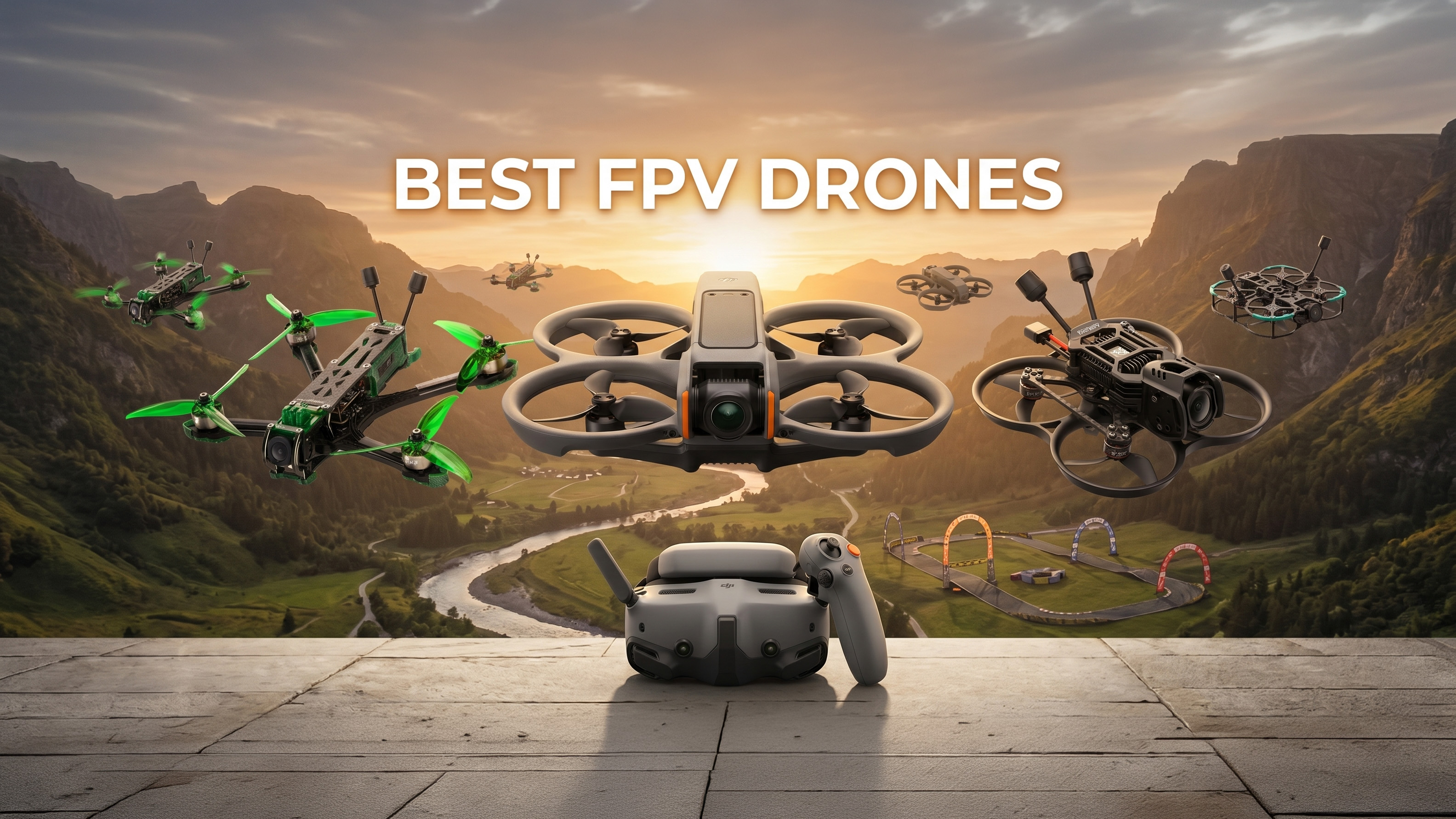
There has never been a better time to start flying FPV. The drones are smaller, the goggles are sharper, and the gap between "beginner kit" and "what the pros actually use" has never been narrower. The flip side is that the buying menu is overwhelming. New pilots scroll through forums for hours and end up with eight tabs open and zero confidence.
This guide cuts through it. Eight drones, ranked roughly easiest to most advanced. These are the builds I personally fly, the ones I recommend to friends asking how to start, and a couple I am actively testing this season. Each pick has a clear "this is who it is for" use case so you can stop second guessing and pick a starting point.
A quick note on goggles, radios, and protocols. I personally fly the DJI O3 and O4 video systems with the DJI Goggles 3 and the DJI FPV Remote Controller 3. It is the cleanest, most plug and play stack on the market right now, and most of the drones below either ship with that ecosystem or support it as a swap in. That said, you do not have to fly DJI. ELRS (ExpressLRS), TBS Crossfire, HDZero, Walksnail, and Analog all have huge communities behind them. The "best" protocol is the one your local pilots fly, so you have someone to fix things with.
A 30 second word on batteries (4S vs 6S)
You will see "4S" and "6S" thrown around constantly. They refer to the cell count in the battery pack, which determines voltage. 4S packs are smaller, lighter, and cheaper, with smoother power delivery. They are great for cinewhoops, smaller builds, and most beginners. 6S packs are higher voltage, deliver more power, and are the standard for performance 5 inch freestyle and racing builds. I fly both, depending on the drone and the shot. If you are starting out, follow the manufacturer's recommendation for whatever drone you buy. Do not mix and match.
1. DJI Avata 3
Easiest Entry Point
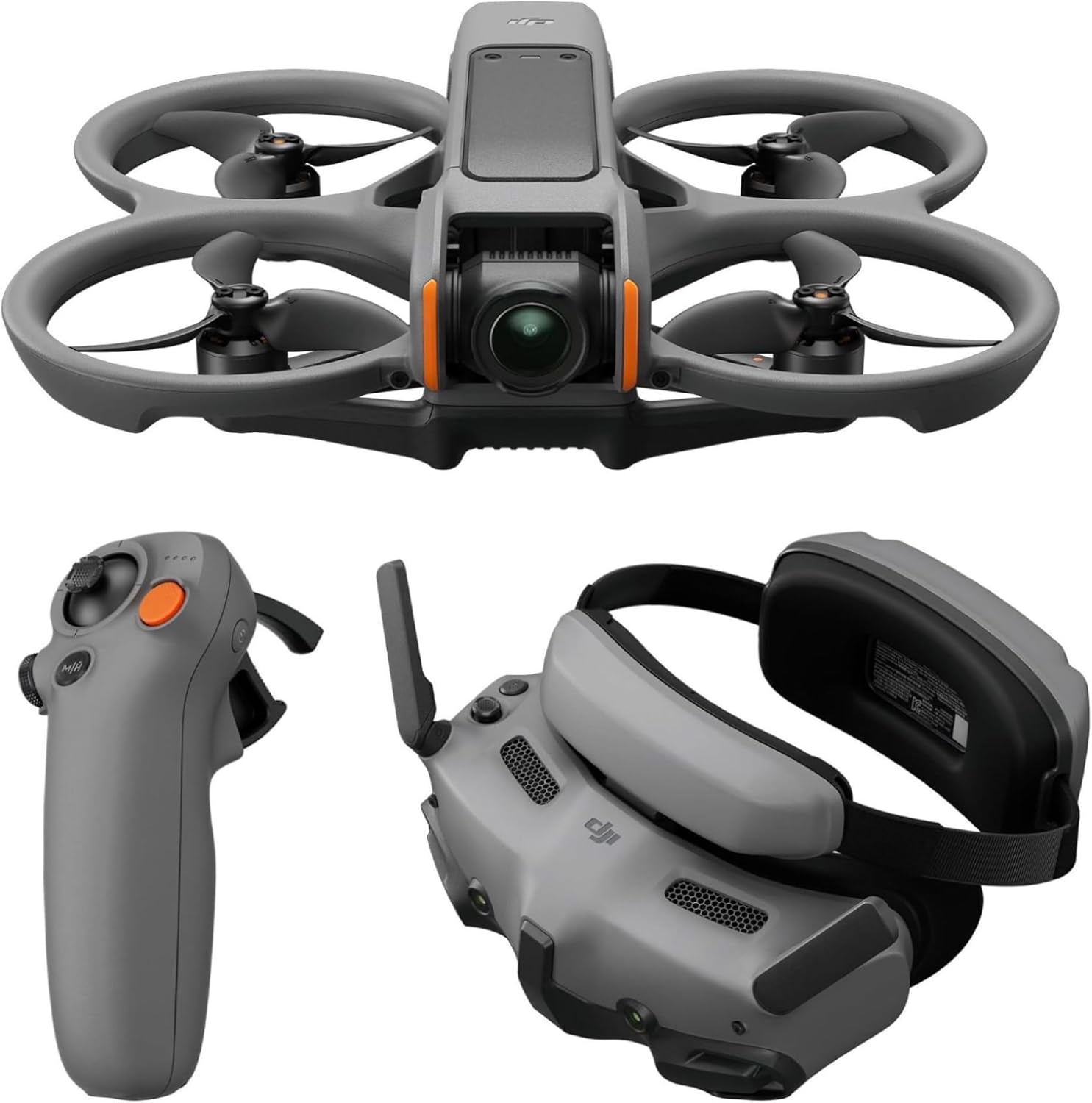
If you want to start flying FPV this weekend with as little stress as possible, this is the answer. The Avata 3 is the most beginner friendly true FPV drone on the market in 2026. Fully ducted props, plug and play out of the box, beginner Normal mode that flies almost like a Mavic, and a Manual mode for when you are ready to actually rip.
The Goggles 3 are sharp, the image quality is excellent, and the RC Motion 3 controller lets you fly with hand gestures while you build up the muscle memory to graduate to a real radio. It is the smoothest "first FPV experience" you can buy. The trade off is that DJI is a closed ecosystem, so you are locked into their parts and their software. For most beginners, that is a feature, not a bug.
2. BetaFPV Cetus X
Best True Beginner Kit
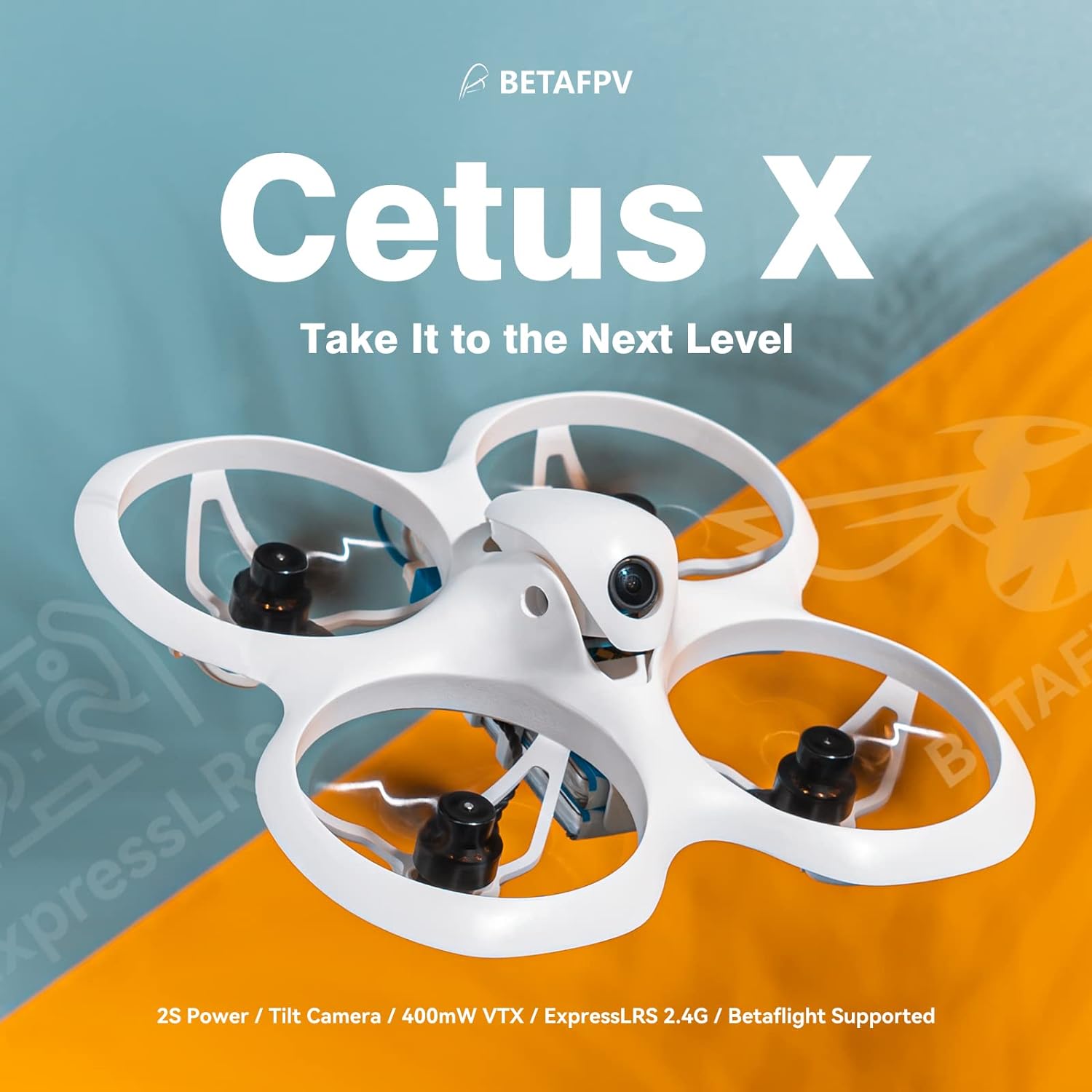
If the Avata 3 is the easiest FPV experience, the Cetus X is the best path to becoming a real FPV pilot. The whole kit ships in one box: drone, transmitter, and goggles. It has a self leveling beginner mode, a horizon mode for transitions, and full manual acro for when you want to learn the real skill. The frame is borderline indestructible, and parts are cheap when you do snap something.
This is what I tell anyone serious about learning to fly. Spend a couple weeks crashing the Cetus indoors and in your backyard, and you will have built the muscle memory you need to step up to a 3 inch or 5 inch with real confidence. It is the cheapest insurance policy in the hobby.
3. Sub250 Huma20
Safest for Flying Near People
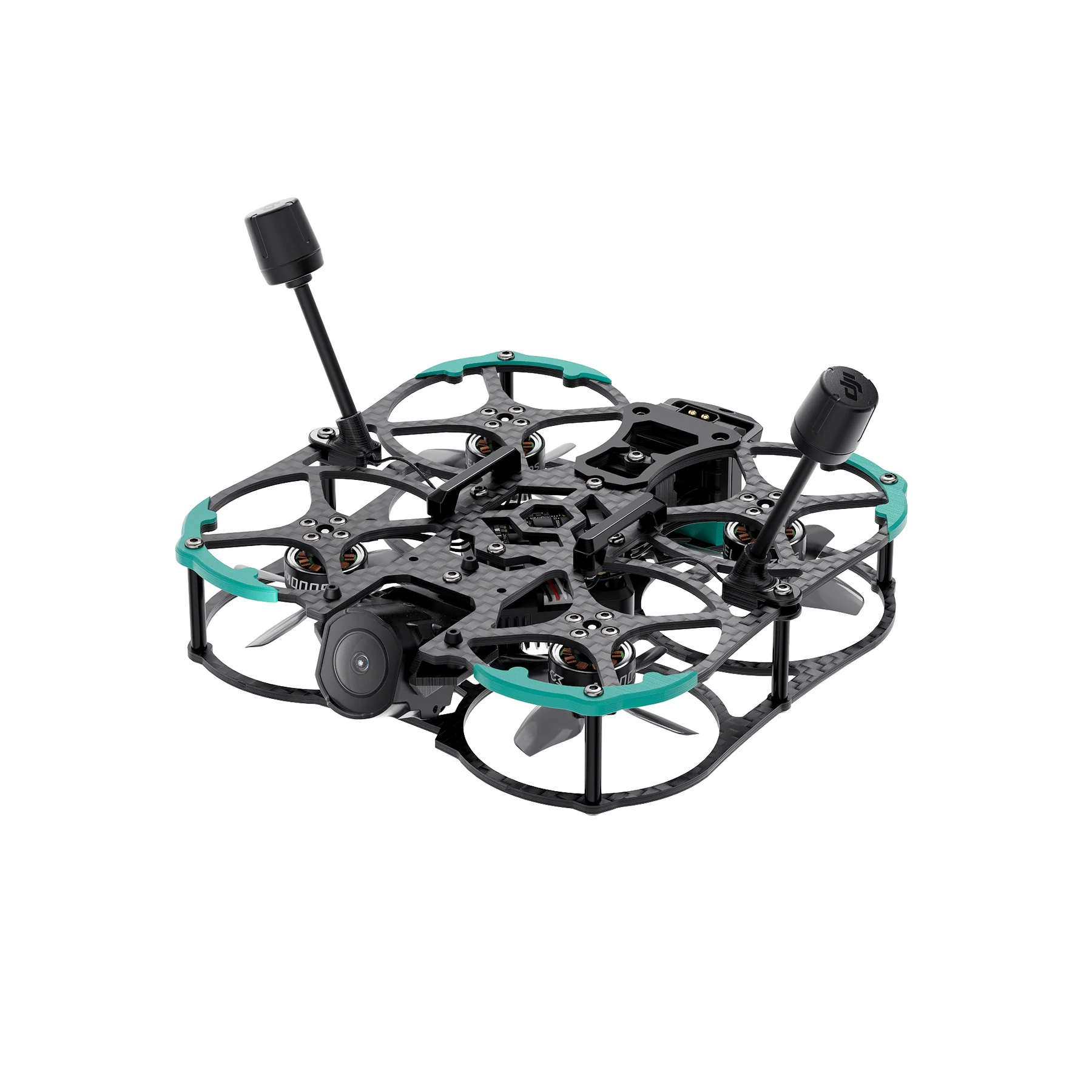
This is one I am actively testing this season and so far it is impressing me. Sub250 is a newer brand whose entire identity is in the name: every drone they make weighs less than 250 grams. That is not a marketing gimmick, it is a real legal threshold. In the U.S., sub 250 gram drones are exempt from FAA Remote ID hardware requirements, and in many countries the airspace and registration rules ease up significantly under that weight. For weddings, events, indoor venues, and anywhere people are around, that matters.
The Huma20 specifically is a 2 inch, 4S cinewhoop that comes in around 140 grams without a battery, well under the 250 gram line. The other reason I am flying it: the props are fully enclosed in ducts. If you do clip something or someone, the worst case scenario is dramatically smaller than with an exposed 5 inch quad. Combined with a real DJI O3 or O4 Pro video link, you get cinematic footage without the same level of "if this thing hits anyone we are done" anxiety. For event work and tight indoor cinematic flying, this is the most responsible build I have flown.
4. BetaFPV Pavo20 Pro II
Small Cinematic Whoop
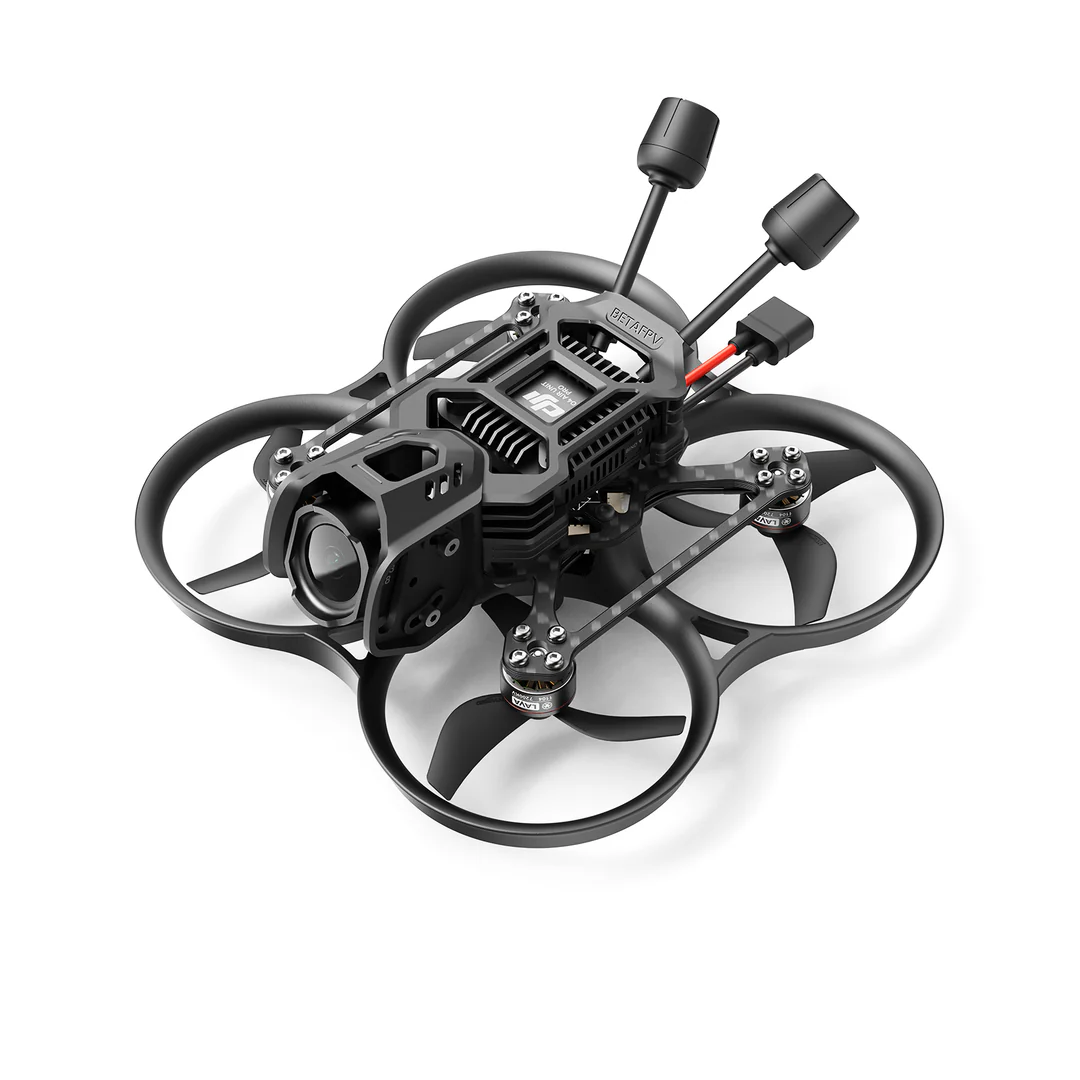
The Pavo20 Pro II is what I reach for when I need a small, agile cinewhoop that still feels lively to fly. It is a 2.2 inch ducted whoop that comes in around 80 to 110 grams with the DJI O4 video unit, well under the sub 250 gram line. It is more spirited than the Sub250 builds, with a freestyle DNA that makes it fun to throw around tight indoor spaces.
Use case: indoor venue flythroughs, tight restaurant and retail interiors, real estate, anywhere you want movement that feels intentional but still safe. If the Sub250 is the responsible cousin, the Pavo20 Pro II is the one that wants to roll into the shot.
5. GEPRC Cinebot35 O4 Pro
The Do Everything Cinewhoop
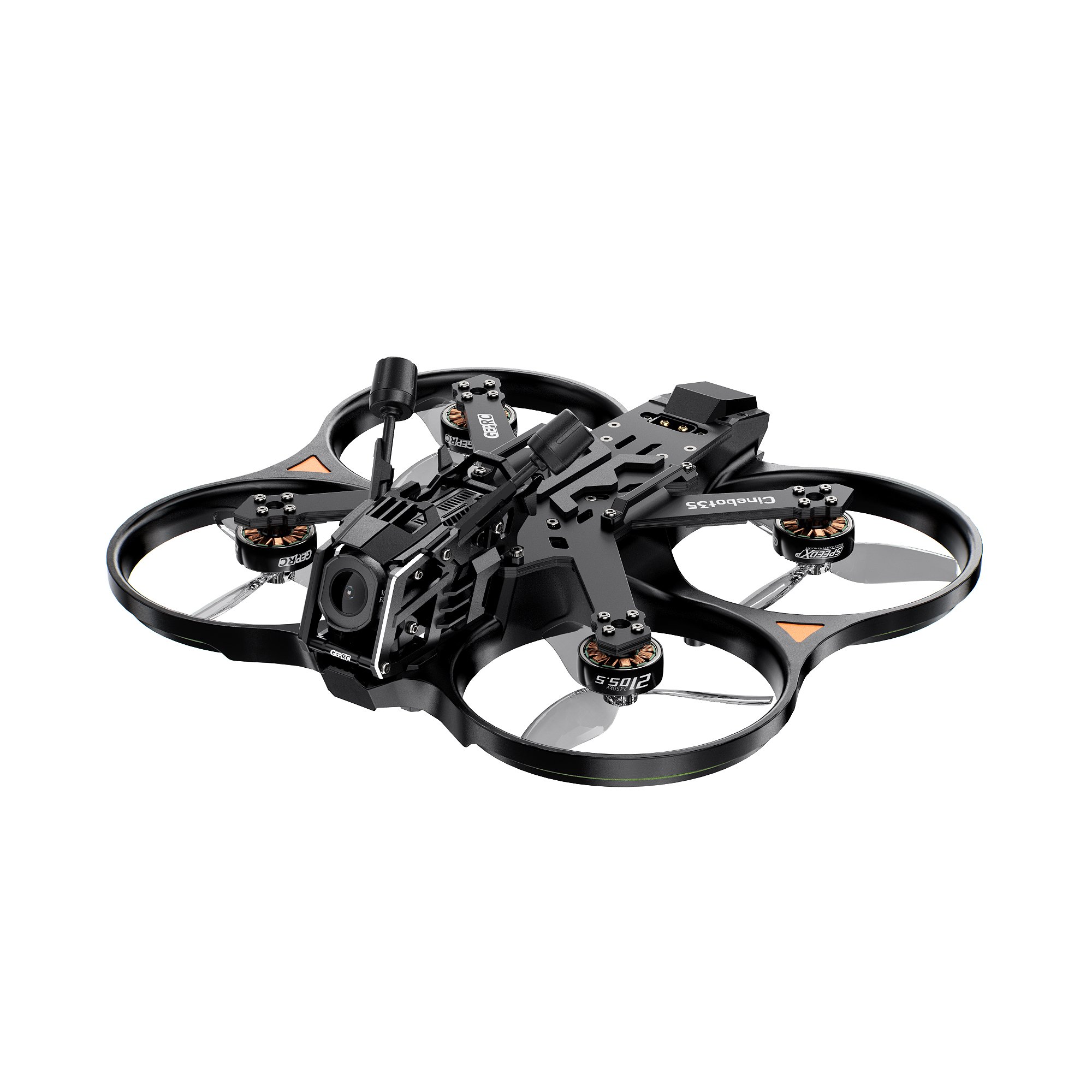
The Cinebot35 O4 Pro is the natural successor to the Cinebot30 and one of the most versatile drones in this list. It is technically a 3.5 inch cinewhoop, but it flies more like a freestyle quad with prop guards. That makes it a beast for anything that needs both controlled cinematic movement and real speed: brand spots, music videos, action sequences, racing through forests with a GoPro on top.
I fly mine with the DJI O4 Pro system and a GoPro Hero 13 on top for the master shot, and it has saved more shoots than I can count. The bigger props and 6S power give it noticeably more authority in wind than the old Cinebot30, while keeping the same friendly handling. If you only own one cinewhoop, this is the one to own.
6. iFlight Nazgul Evoque F5D V2
Best First 5 Inch Freestyle
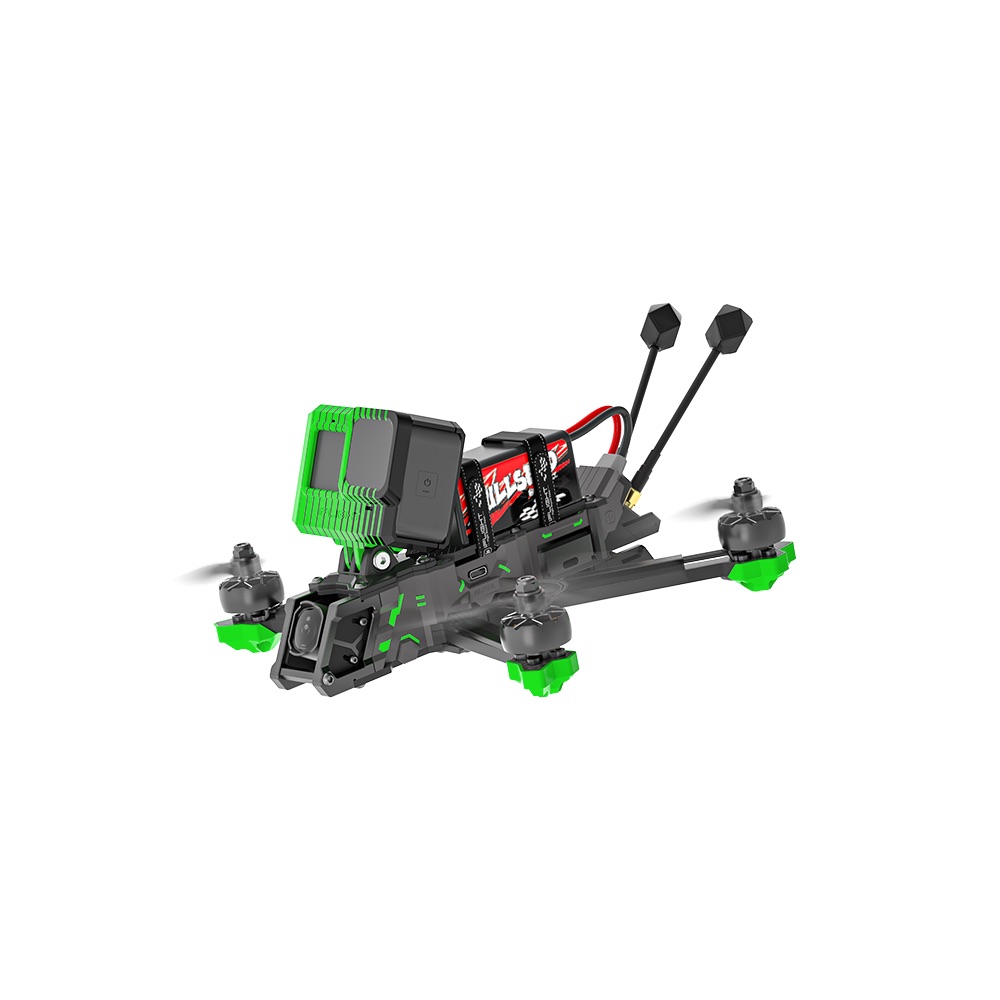
If you have put your time in the simulator and on a Cetus or Avata, the Evoque F5D is a great first "real" 5 inch freestyle quad. It comes pre tuned, ships with the DJI HD video system option, and has a forgiving flight character that does not punish you for being a little sloppy. Spare parts are everywhere. Most local pilots have one, so you will never struggle to find help.
This is the drone where you will start to feel the difference between "flying FPV" and "actually flying." Bigger, faster, louder, and a lot more capable than anything above it on this list.
7. GEPRC MARK5 O4 Pro
Fast Action 5 Inch
For my own paid action work I personally fly the Lumenier QAV-S JohnnyFPV SE 5" with the DJI O3, and it is a phenomenal piece of gear. The honest problem in 2026 is supply: the JohnnyFPV SE has been hard to keep in stock, so it is not the drone I would tell a beginner to chase down right now.
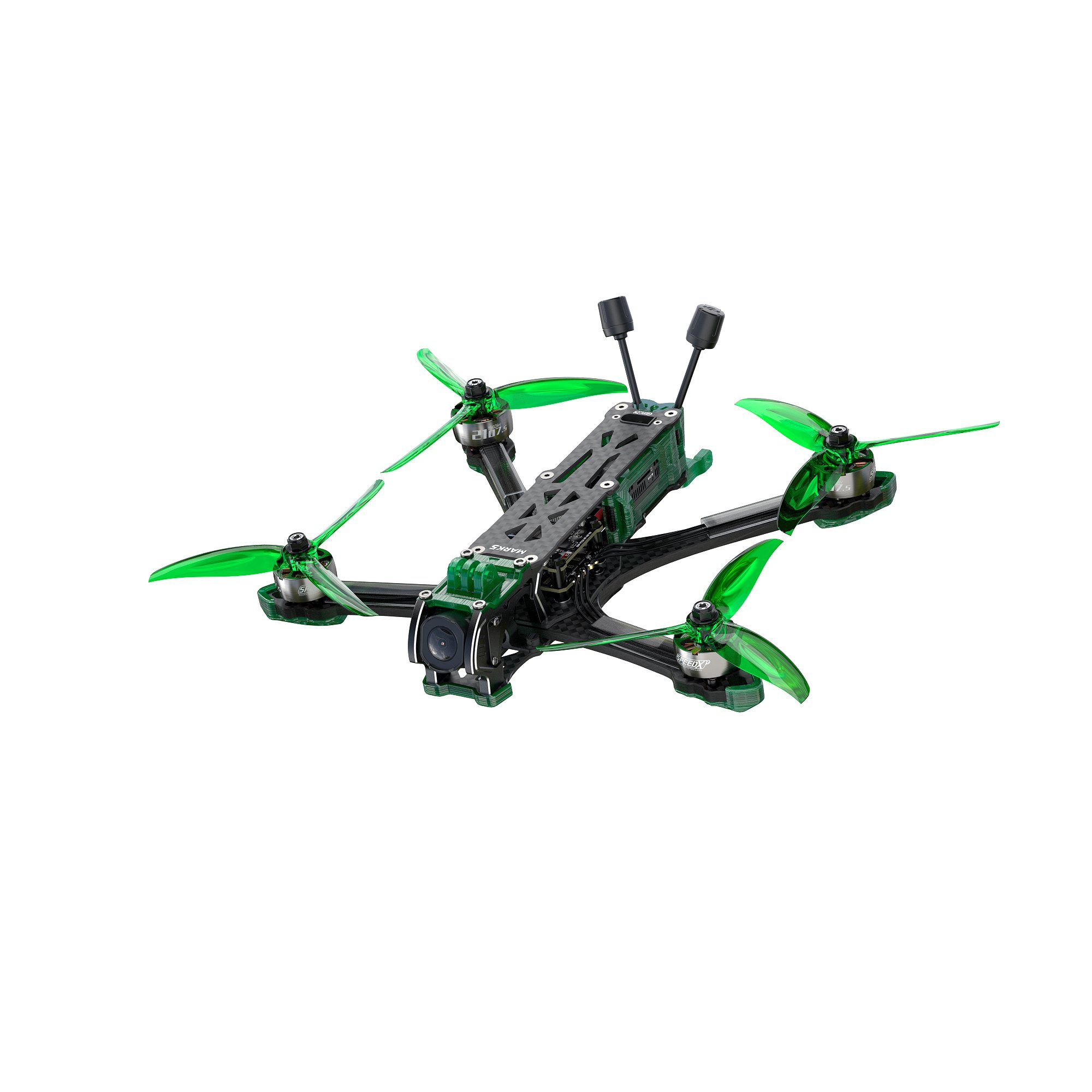
What I would recommend instead is the GEPRC MARK5 O4 Pro. It is a 5 inch, 6S freestyle quad with the DJI O4 Air Unit Pro built in, available in both Wide-X and Deadcat frame configurations, and it is genuinely in stock at most major retailers. The footage off the O4 Pro is incredible (1/1.3" sensor, 4K 120fps recording, 1080p 100fps live feed), and the flight character is the kind of "powerful but predictable" that makes it a great first real 5 inch for someone stepping up from a Cetus or Avata.
This is the drone for chase shots, dives, fast action sequences, and anything that needs to look confident on camera. Not a true beginner drone in the strictest sense (it is a 6S build with serious motors), but if you have put your sim time in and you are ready for a real 5 inch, this is the cleanest off the shelf 5 inch I would put in a new pilot's hands in 2026.
8. GEPRC Tern-LR40
Long Range and Cruising
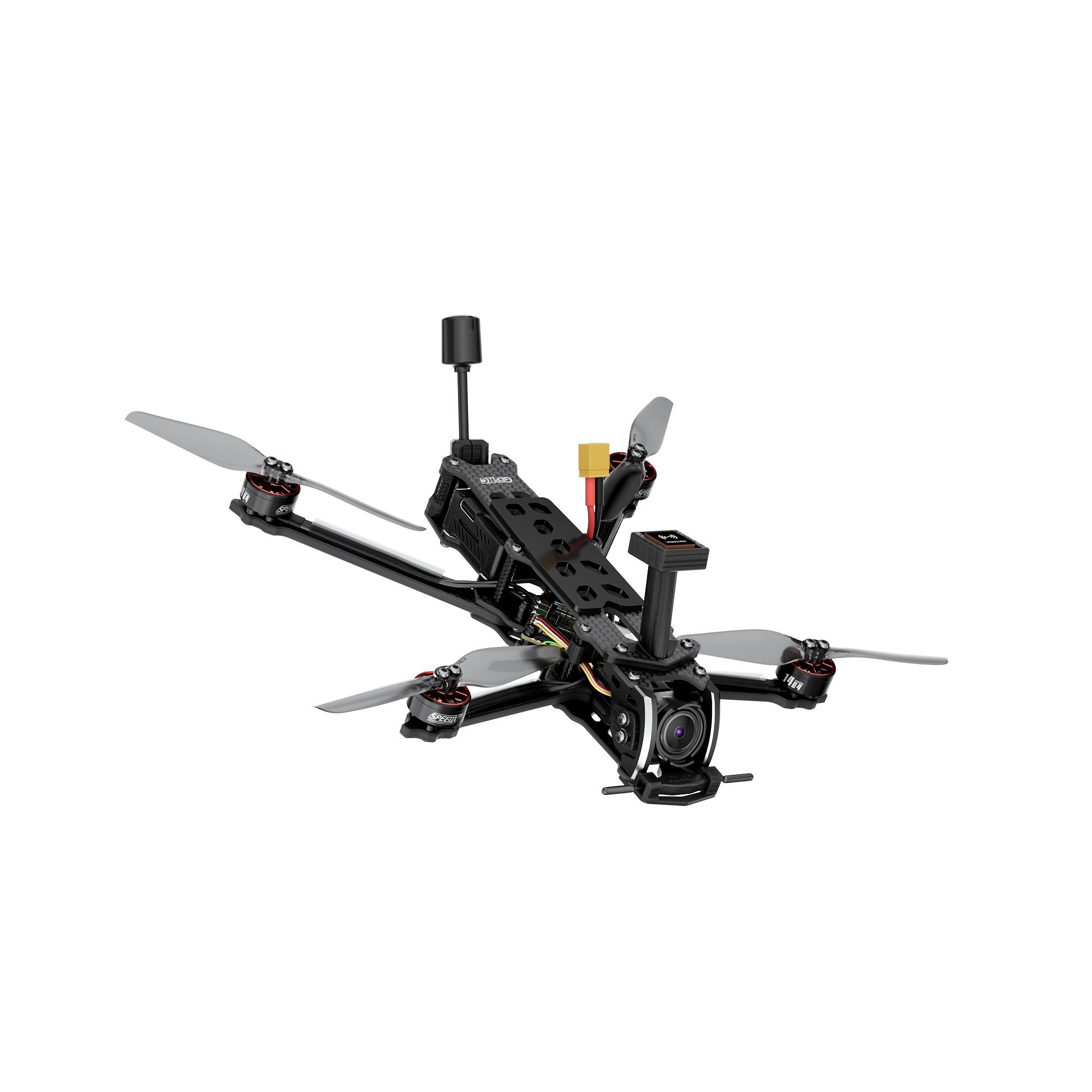
If you ever want to fly mountains, coastlines, deserts, or anywhere else where the shot is the journey, you want a long range cruiser. The Tern-LR40 is a 4 inch long range build that can comfortably fly 10+ minutes on a 4S Li-ion pack and reach distances most 5 inch freestyle quads cannot dream of. Pair it with the DJI O3 and you can pull cinematic footage from way further out than feels reasonable.
This is not the drone you start on, but it is the drone you eventually want once you have a few flights under your belt and the urge to go explore.
So which one should you actually buy first?
"If you want to fly FPV this weekend, buy the Avata 3. If you want to become an FPV pilot, buy the Cetus X. If you want to start filming, buy a Sub250 cinewhoop or the Cinebot30. Everything else on this list is the next step after that."
Most people overthink this. Start with one drone, fly it until you are bored, then upgrade to the next thing. Trying to skip steps almost always ends with an expensive crash and a lost weekend.
And if you have not flown yet, do me one favor before you spend a dollar on hardware: read our beginner guide on how to actually learn FPV. It will save you money.
Need help picking?
I do 1 on 1 FPV mentorship for creators. Gear recommendations, sim coaching, and real flight sessions. If you want to skip the months of trial and error, drop me a note.
Get in Touch